
Cultivating an Eye | Interiors & Design
Design the Spaces in Between
The journey through a home deserves as much thought as the rooms themselves.
Hallways, staircases, openings, and transitions are more than ways to move between rooms. Thoughtful architectural details, lighting, and sightlines can turn these often-overlooked spaces into some of the most memorable parts of a home.
Give Passages Architectural Character
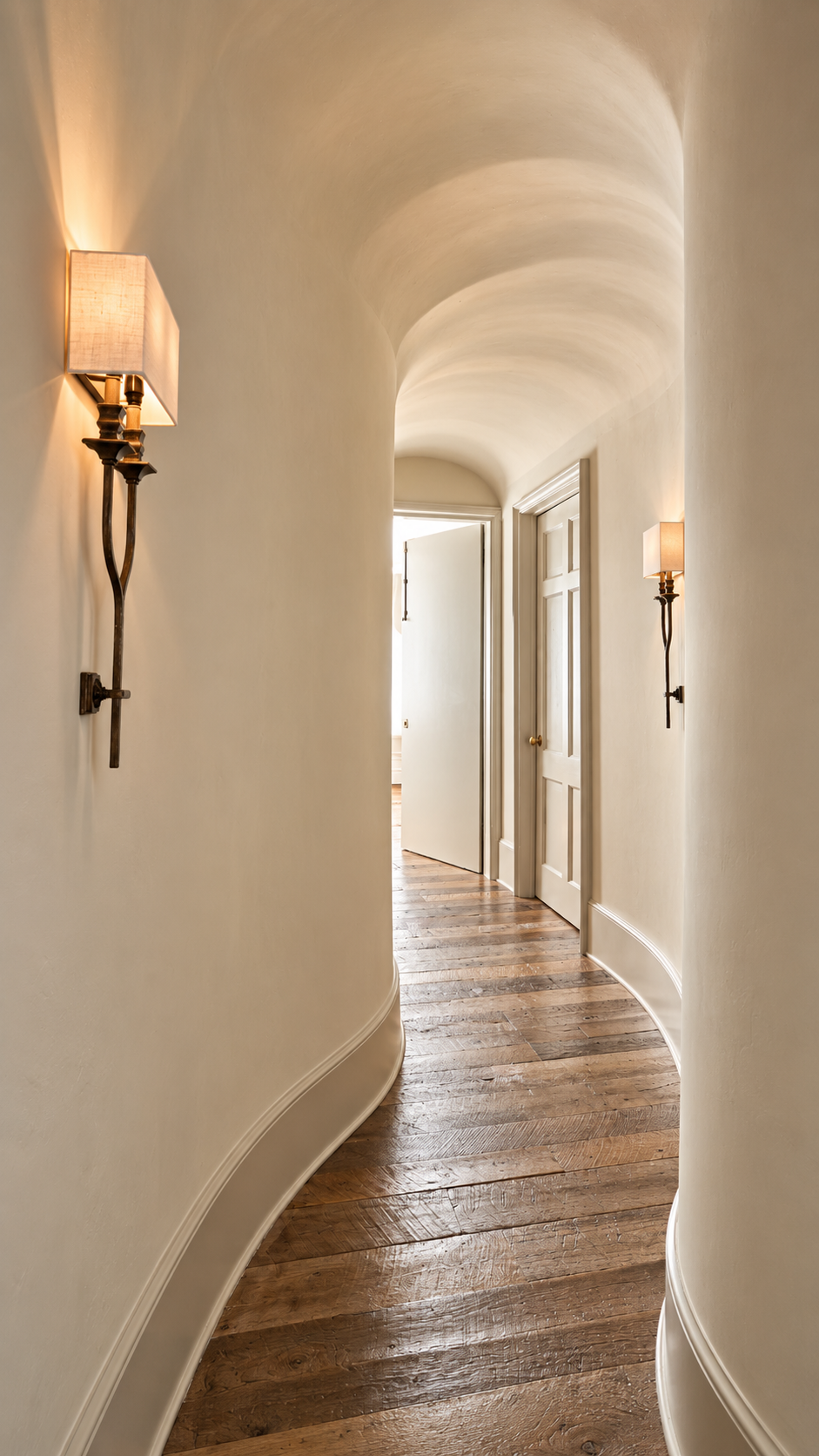
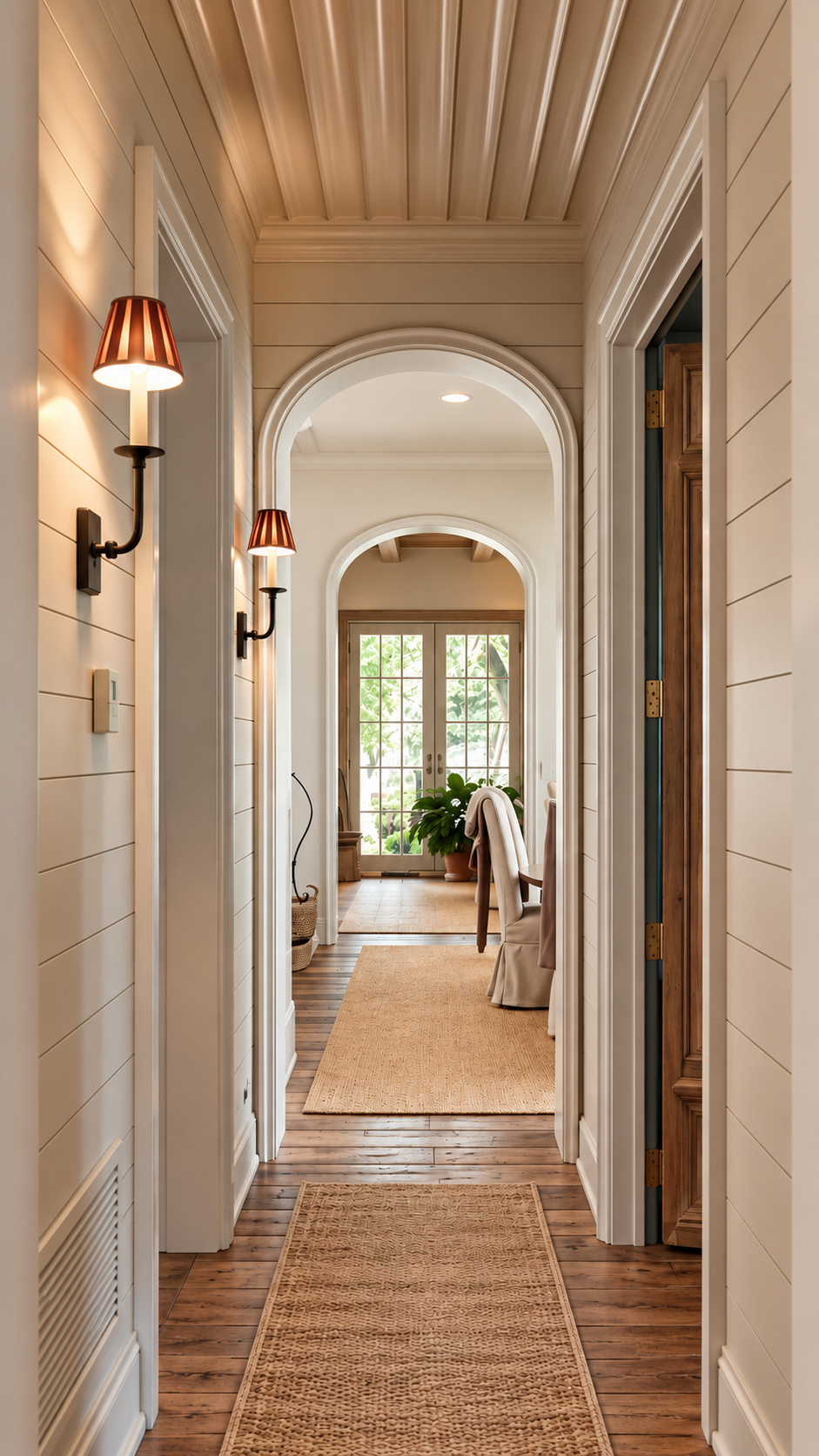
Hallways are inherently ordinary—spaces designed to take us from one room to another. But they also offer an opportunity to make the journey itself beautiful.
In our last home, which was a new build, working with Charlotte architectural designer Garrett P. Nelson, we built on the architectural vision for these two passages, adding details that gave each its own character.
In the serpentine hallway he designed, we introduced a barrel-vaulted ceiling, a quiet, color-drenched palette, and low-profile sconces chosen for the shadows they cast across the curve.
In the second passage, a cove-moulded ceiling and tongue-and-groove walls create texture, while antique French doors—sourced in from a dealer in Alabama, stripped to their natural wood, and incorporated into the original floor plans—bring warmth and history.
Two different approaches, one guiding idea: design doesn't have to stop at the doorway.
Elevate the Journey
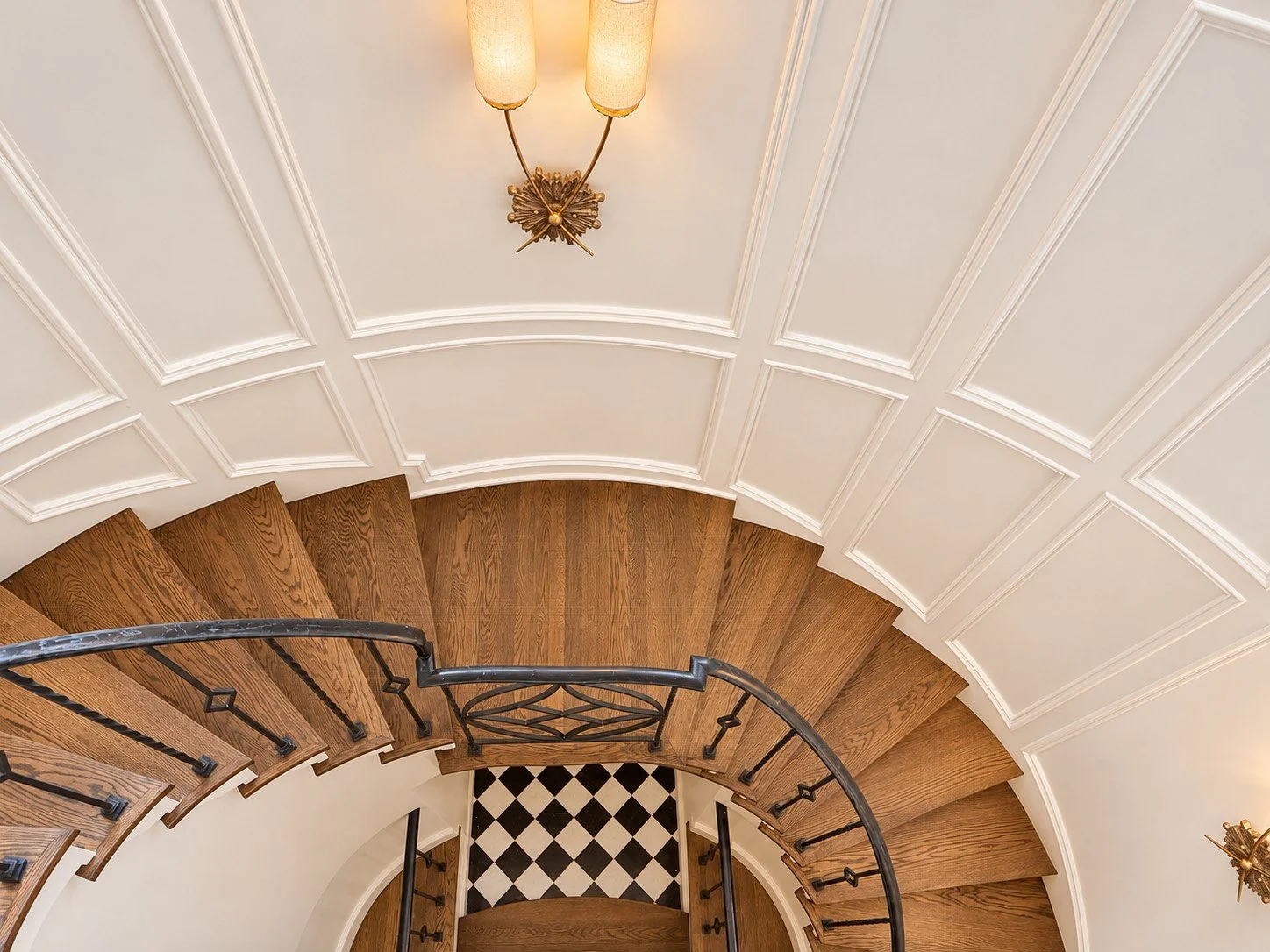
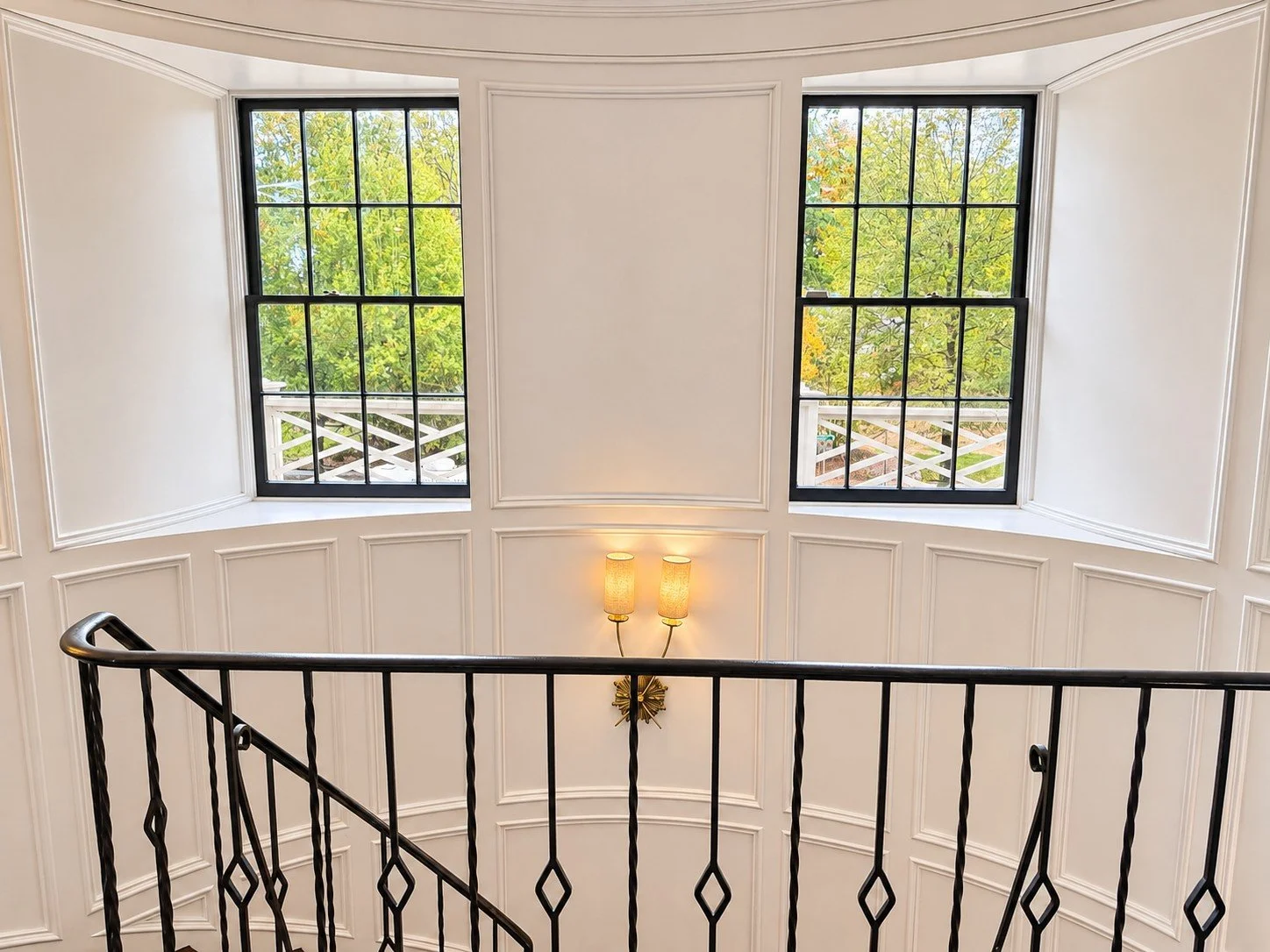
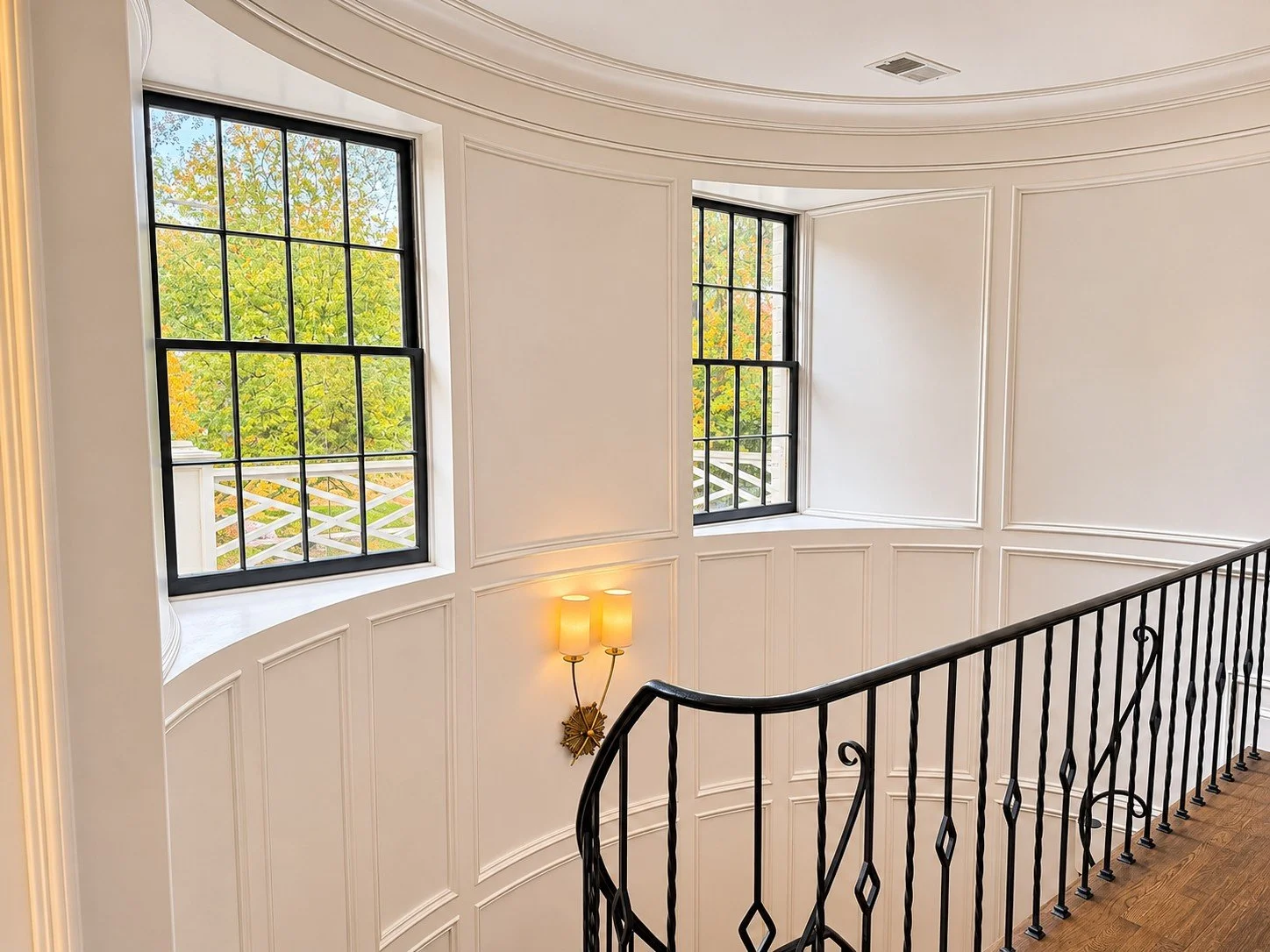
The staircase in this 1938 home already had beautiful bones—its graceful curve, original wood treads, and decorative ironwork. Rather than reinvent it, we added architectural paneling and thoughtfully placed sconces to emphasize what was already there, turning an everyday journey between floors into a more memorable experience.
Create a Moment, Not Just a Passage
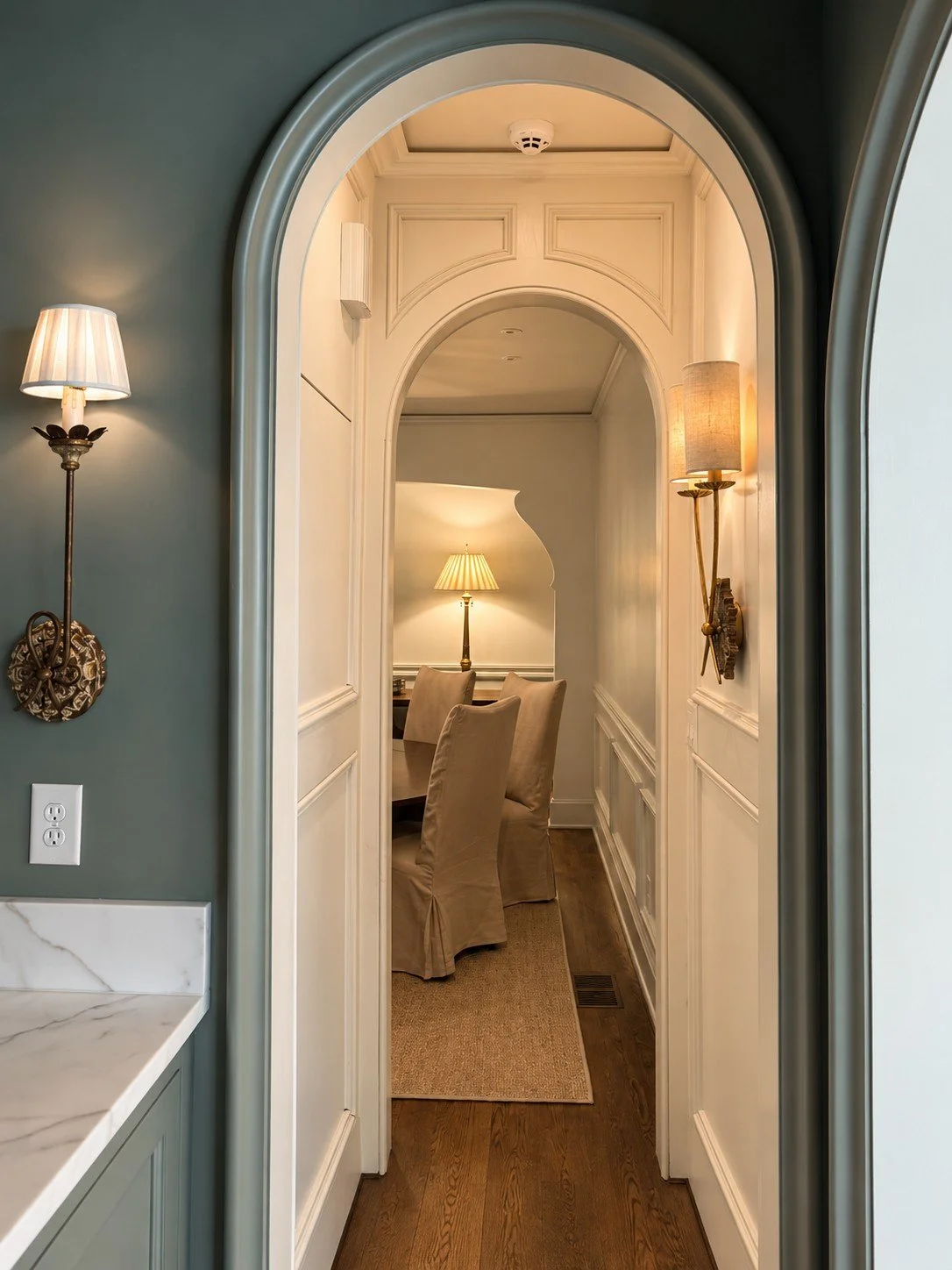
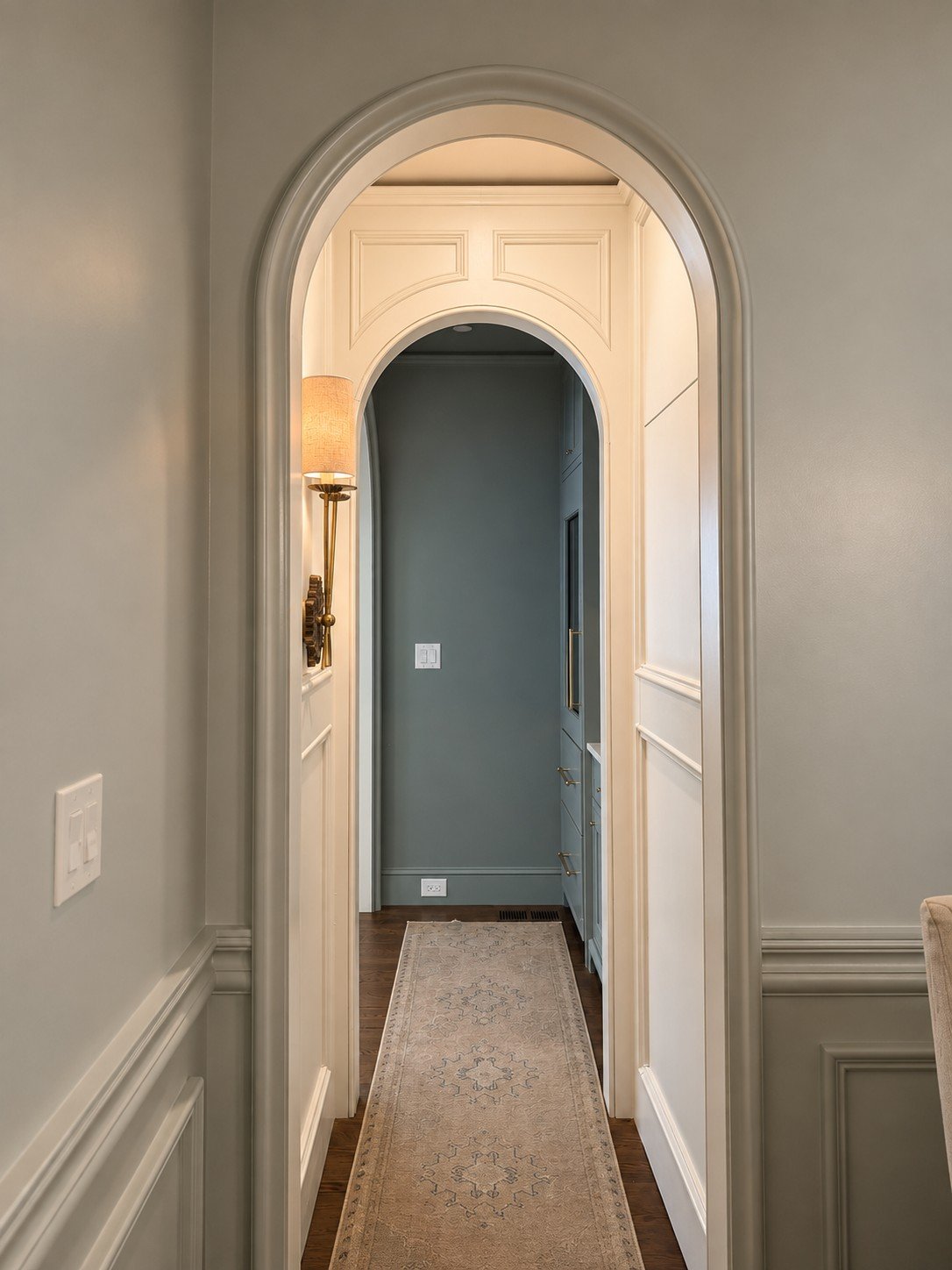
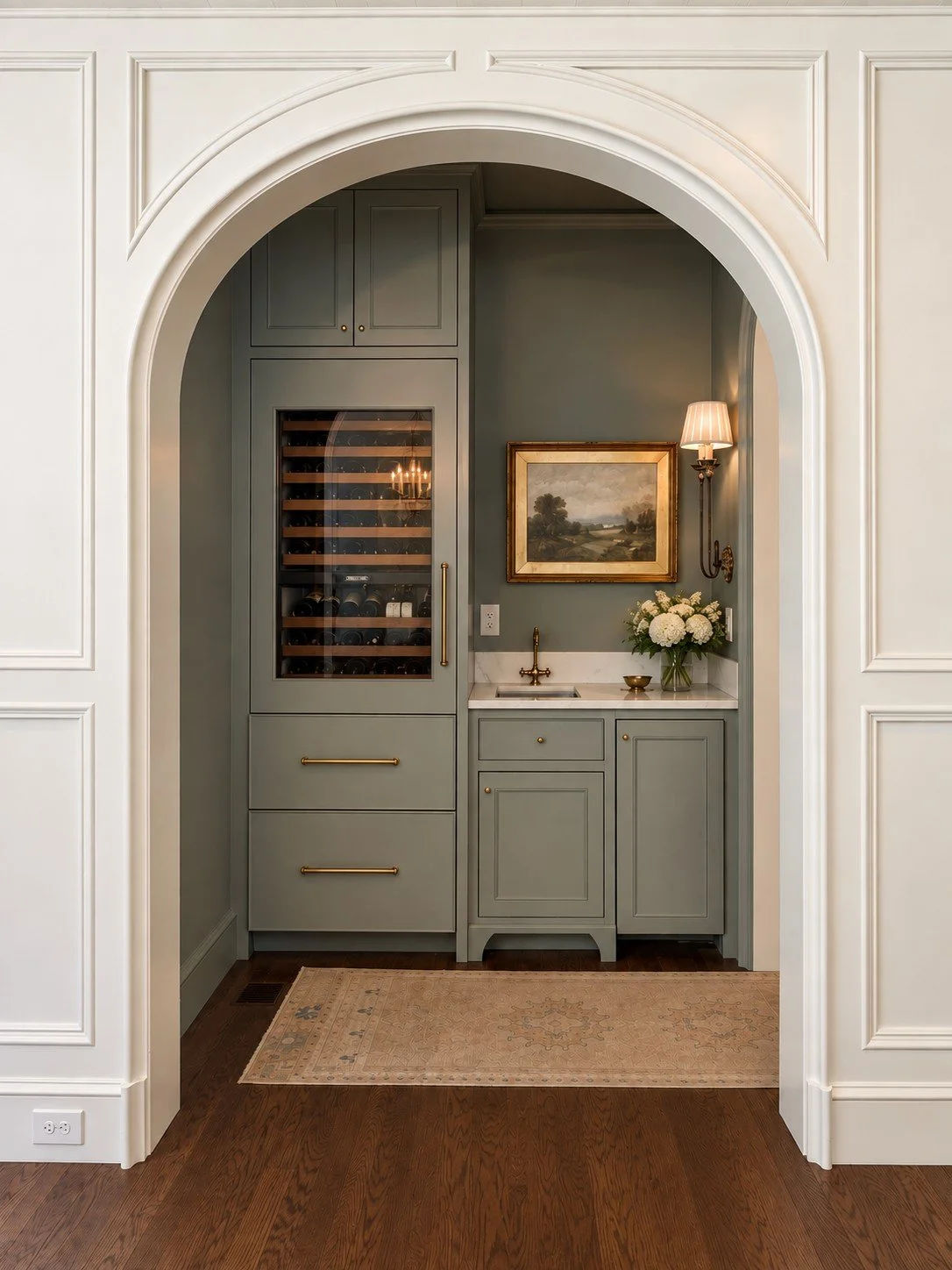
An opening between rooms can do more than provide access. Throughout this 1938 home, we introduced repeated arches, detailed millwork, contrasting paint, and thoughtful lighting to create connections between spaces while giving each transition its own character.
Moving between darker and lighter spaces draws the eye forward, while familiar architectural shapes create a sense of continuity. What might otherwise be ordinary doorways become beautiful moments along the way.
01 | Look beyond the destination.
Hallways, staircases, and passages deserve the same consideration as the rooms they connect. Think about how the journey itself can become a beautiful experience.
02 | Enhance what's already there.
Beautiful architecture doesn't always need reinvention. Thoughtful additions—paneling, lighting, or millwork—can emphasize existing character and make it feel more intentional.
03 | Use repetition to create continuity.
Repeating architectural shapes, materials, or details helps different spaces feel connected. The elements don't have to be identical to create a sense of cohesion.
04 | Design for the feeling.
Consider how light, color, and architectural details change the experience and mood while moving through a home. Contrasts between dark and light can create anticipation, intimacy, and discovery.
Make it Your Own.
Walk through your home and pay attention to the spaces you usually pass through without noticing. Is there an existing architectural detail worth emphasizing? Could lighting, color, or a repeated element make the journey more interesting? Sometimes the most memorable moments are created not in the rooms themselves, but in the spaces in between.